


Subscribe and receive email notifications of new blog posts.
 RSS Feed
- 2026 | 38 Posts
- 2025 | 48 Posts
- 2024 | 48 Posts
- 2023 | 48 Posts
- 2022 | 48 Posts
- 2021 | 48 Posts
- 2020 | 48 Posts
- 2019 | 48 Posts
- 2018 | 50 Posts
- 2017 | 52 Posts
- 2016 | 34 Posts
27
Buyers: What Rising Utility Costs Mean When Comparing Homes
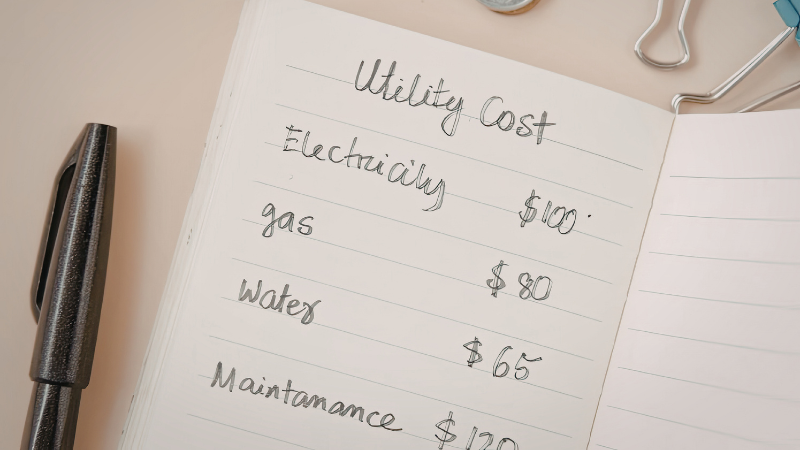
When you're shopping for a home, the listing price is only part of the story — and the real estate agents at Wright-Patt Realty want to make sure you have the full financial picture before you sign anything. Understanding how rising utility costs affect your monthly budget can save you thousands of dollars over the life of your homeownership.
The True Cost of Homeownership Goes Beyond the Mortgage
Here's something a lot of buyers don't realize until they're already in a home: monthly utility expenses can vary dramatically from one property to the next. Two houses with the same price tag can cost very different amounts to live in, depending on how old the systems are, how well the home is insulated, and how energy-efficient the overall structure is.
That gap matters — especially now, when energy rates in Ohio aren't going anywhere but up.
Key Factors to Evaluate When Comparing Homes on Utility Costs
- Age and condition of the HVAC system
Your heating and cooling system is usually the biggest driver of your monthly utility bills, so it's worth paying close attention to. A system that's more than fifteen years old is not only less efficient — it may be on its last legs, and replacing it can run several thousand dollars out of pocket. - Quality of insulation and air sealing
Poorly insulated walls, attics, and crawl spaces let conditioned air escape year-round, forcing your HVAC to work overtime to compensate. If a home has drafty rooms, uneven temperatures from one floor to the next, or visible frost near windows in winter, treat those as red flags worth investigating. - Age and efficiency of windows and doors
Older single-pane windows and worn-out weatherstripping are among the most common culprits for energy loss — and they're easy to overlook on a sunny spring showing day. Homes with double- or triple-pane windows and low-emissivity coatings will keep you more comfortable and cost you less to heat and cool through Ohio winters and summers alike. - The age and type of water heater
Most buyers never think to ask about the water heater, but you should. Water heating accounts for a larger share of your monthly energy use than most people expect, and a tankless or heat pump water heater is dramatically more efficient than a standard storage-tank model that's been sitting in a utility room for fifteen years. - Smart home and programmable thermostat features
It's a small thing, but homes with smart thermostats, programmable controls, or zoned heating and cooling put you in a much better position to keep energy consumption in check without constantly having to think about it. These upgrades are inexpensive to add, but finding them already in a home you love is a genuine bonus. - Solar panels or renewable energy infrastructure
When a listing includes an existing solar panel system, it's worth getting curious about the details before you get excited. Understanding whether that system is owned outright or leased is critical — one means lower bills and added value, and the other may mean you're inheriting a monthly payment and a contract you didn't choose. - Orientation of the home on the lot
This one surprises many buyers, but the direction a home faces actually affects how much it costs to heat and cool. South-facing homes can take advantage of natural light in winter to reduce heating loads, and mature shade trees on the west and south sides of a property can cut summer cooling costs by blocking afternoon sun before it ever hits the walls. - Utility bills from the current owner
Before you make an offer on any home, ask for twelve months of utility bills. You are completely within your rights to request this, and most sellers will provide it. Reviewing real electric and gas bills gives you an honest baseline for what to budget — and lets you compare properties on the same terms rather than guessing. - Local utility rate trends in the Beavercreek area
Energy rates in Ohio have been climbing steadily, which means even small inefficiencies in a home get more expensive over time, not less. Knowing how Dayton Power and Light structures its rates — and how those rates have changed recently — helps you project what a home will realistically cost you five years from now, not just today. - Energy Star certifications and green building ratings
Some newer homes and thoughtfully renovated properties carry formal efficiency certifications that have been independently verified. A home with an Energy Star label or a HERS rating gives you documented proof of performance, which is far more reliable than a seller's assurance that the house runs efficiently.
A Quick Checklist: What to Ask at Every Showing
Before you walk out the door of any home tour, make sure you have answers to these three questions:
- How old is the HVAC system, and when was it last serviced?
- Can we see the last twelve months of utility bills?
- Have any upgrades been made to insulation, windows, or the water heater?
Red Flags That Could Signal High Utility Costs
Not every efficiency problem jumps out at you, but keep your eyes open for these:
- Visible gaps around door frames, window casings, or attic hatches
- Baseboard heating systems with no supplemental zoning
- Central air conditioning units that are fifteen to twenty years old or older
How to Factor Utility Costs Into Your Offer Strategy
Once you have a realistic picture of what a home will cost you each month to operate, you can bring that information to the negotiating table. A home with high utility costs may justify a lower offer price, or you might ask the seller to address specific deficiencies — a new HVAC system, better insulation, updated windows — as a condition of sale. Your Wright-Patt Realty agent can help you frame those requests in a way that is grounded, reasonable, and backed by the research you've already done.
Make a Smarter Home Purchase in Beavercreek
The sticker price on a home is just the beginning of what it will cost you — and the right property is one that fits your life and your budget every month, not just at closing. When you're ready to start looking at Beavercreek homes for sale with a sharper eye toward long-term value, the team at Wright-Patt Realty is ready to help — reach out to us today, and let's find a home that truly works for you.