


Wright-Patt Realty Blog
 RSS Feed
Subscribe and receive email notifications of new blog posts.
RSS Feed
- 2026 | 39 Posts
- 2025 | 48 Posts
- 2024 | 48 Posts
- 2023 | 48 Posts
- 2022 | 48 Posts
- 2021 | 48 Posts
- 2020 | 48 Posts
- 2019 | 48 Posts
- 2018 | 50 Posts
- 2017 | 52 Posts
- 2016 | 34 Posts
Beavercreek Ohio | 199 Posts
Bellbrook Ohio | 5 Posts
Buyers & Sellers | 2 Posts
Buying a House | 77 Posts
Centerville OH | 2 Posts
Fairborn Ohio | 16 Posts
Financing a Home | 2 Posts
Greene County | 13 Posts
Home Improvement | 37 Posts
Homeowner Tips | 49 Posts
Housing Options | 1 Posts
Huber Heights Ohio | 3 Posts
Kettering Ohio | 6 Posts
Oakwood Ohio | 2 Posts
Relocating | 5 Posts
Riverside Ohio | 1 Posts
Selling a House | 62 Posts
Springboro Ohio | 2 Posts
Washington Township | 3 Posts
Wright Patterson Afb | 3 Posts
Wright-Patt Realty | 21 Posts
Xenia Ohio | 1 Posts
Yellow Springs Ohio | 4 Posts
January
6
6
Garden Indoors: Easy Steps to Keep Your Houseplants Happy
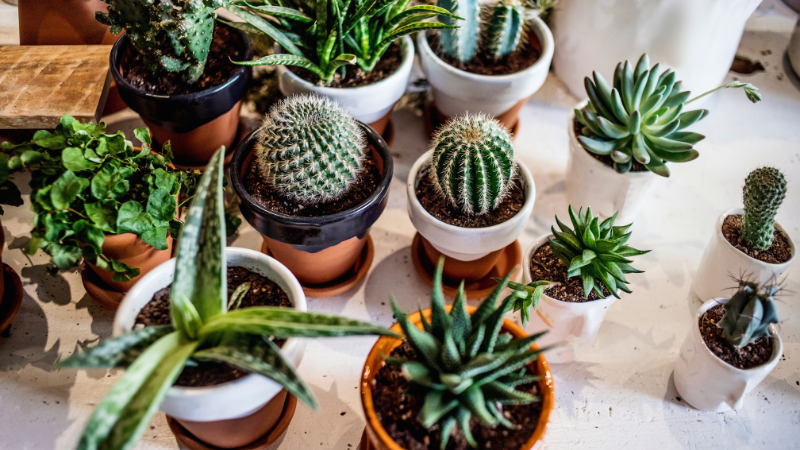
Our real estate agents at Wright-Patt Realty know that making a home inviting goes beyond its structure. As we mark National Houseplant Appreciation Day on January 10th, our team wants to share top tips to bring nature's beauty inside and make your living space better.
- Pick the Plant That Fits Your Space
Picking the right place for your indoor plants begins with knowing their natural environment. Think about how much sunlight your house gets during the day and pick plants that do well in those settings. Windows facing south let in strong direct light that's great for plants like succulents and cacti. Windows facing east provide softer morning light that works well for tropical plants such as peace lilies and pothos. - Get Good at Watering
Watering houseplants makes a big difference in their health. Each plant needs its own watering plan based on its type and the time of year. Make a routine to water your plants, but always check if the soil feels dry first. Plants need less water in winter when they grow slower. In summer, you'll need to water more because of extra light and heat. - Get Your Potting Right
The pots you pick and how you plant matter a lot for your plants' health. Use pots with holes in the bottom for water to drain out. Buy good potting soil that suits your plants. As your plant gets bigger, you may need to move it to a larger pot, which helps stop overwatering and lets roots grow well. - Set Up the Best Environment
Keeping the right moisture and warmth levels helps your plants grow well. Put plants that like water close to each other and think about using humidity trays or small humidifiers when it's dry in winter. Keep plants away from windows with drafts and heating vents, as quick changes in temperature can put stress on your indoor garden. - Make a Feeding Plan
Giving your plants food gives them key nutrients to grow healthy and have lots of leaves. Pick a balanced, water-soluble plant food and use it as the package says during growing time. Cut down or stop feeding during winter months when most plants slow down their growth. - Do Regular Upkeep
Taking good care of your plants keeps them healthy and stops problems before they start. Cut off any yellow or dead leaves right away, turn your plants often so they grow, and wipe the dust off their leaves once a month to help them make food better. When you check on your plants often, you can catch pests. - Watch for Signs of Plant Health
Get to know what an unhealthy plant looks like so you can help it. Yellow leaves might mean too much water, while brown leaf tips often show there's not enough moisture in the air or too much fertilizer salt. Knowing these signs helps you fix how you care for your plants before big issues come up. - Grow More and Give Away
Grow your indoor garden by making new plants from ones you already have. Many common houseplants grow from stem cuttings put in water or soil. This helps you get more plants and gives you chances to share them with people you care about. - Design with Purpose
Place your houseplants carefully to make your home look and feel better. When putting plants together, think about different heights, textures, and leaf shapes. Use big floor plants to fill empty corners, put smaller ones on shelves, and hang some plants to add interest at different levels.
When you're looking at houses for sale in Beavercreek, keep in mind that Wright-Patt Realty agents are ready to assist you in finding the right place for your family and your indoor plants. Contact us now to find your dream home with ideal spots to grow your houseplant collection.