


Subscribe and receive email notifications of new blog posts.
 RSS Feed
- 2026 | 39 Posts
- 2025 | 48 Posts
- 2024 | 48 Posts
- 2023 | 48 Posts
- 2022 | 48 Posts
- 2021 | 48 Posts
- 2020 | 48 Posts
- 2019 | 48 Posts
- 2018 | 50 Posts
- 2017 | 52 Posts
- 2016 | 34 Posts
23
For Buyers: What You Need to Know about a Home Inspection
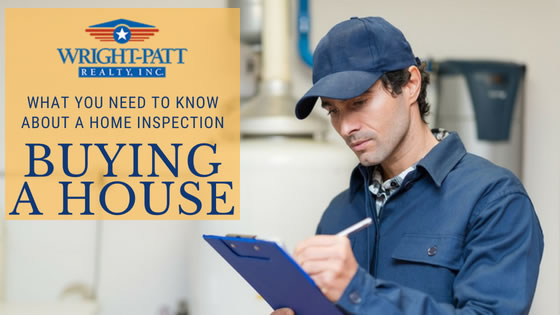
Clients often ask our REALTORS® if an inspection is really necessary when buying a new home. The answer is simple: absolutely. A thorough home inspection can potentially uncover hidden defects and save you from sinking hundreds of thousands of dollars into an unsound home. It's absolutely essential that you get one, especially if you're buying an older house.
That being said, some home inspectors have some pretty surprising blind spots. Here's what a basic home inspection might miss – and what you can do about it.
- Roof Inspections
Whether or not an inspector will study your roof – and how thoroughly – depends on a variety of factors. It essentially comes down to how safe the inspector judges your roof to be. If it's more than three stories, if the angle is too steep, or if there happens to be bad weather on inspection day, chances are they're going to simply eyeball it from ground level rather than actually climbing up there. You can hire a specialist roof inspector for an additional fee, or you can ask your real estate agent to find out the age of the roof and its condition. - Moving Heavy Furniture
An inspection of a home's electrical system is standard, but if there are outlets that require the inspector to move heavy furniture to investigate, don't count on it. Anything that's not easily accessible may go unchecked. - Fireplace and Chimney
Opening and closing the dampers to make sure they're working, and shining a flashlight up the chimney to make sure there are no major obstructions – bird's nests and the like – is about as far as the average chimney inspection will go. For a more detailed look, hire a chimney inspector who will look for structural flaws and creosote buildup. - Well and Septic System
If wells and septic systems are common in you're area, your inspector will probably check them out for an additional fee. But if most houses locally are on public water, chances are a regular inspector won't check them. A septic specialist will cost you extra but will give you the peace of mind of knowing the well and septic systems are clean and running properly. - Swimming Pools
Most home inspectors won't do much more than turn on pool pumps and heaters to make sure they're working. If you want to know more than that, you'll need a professional pool inspector who will look for cracks and dents in the pool, as well as take a closer look at the pumps, filters, safety covers and decking surfaces. - Specialist Inspections
A typical inspection covers structural elements, general safety, a basic roof and exterior check, the attic, basement, garage, interior plumbing and electrical systems, appliances, heating and cooling systems, and the grounds around the home. It does not include pest control, asbestos, radon gas, lead paint, and toxic mold. It might be wise to an appointment with a certified specialist to have these things checked.
If you're looking for great Beavercreek homes for sale, we're here to help. Contact Wright-Patt Realty today to learn more about how our team of experienced REALTORS® can help make your dream home a reality in Beavercreek, Bellbrook, Centerville, Oakwood and more!